
Winning in Asian Remittance Corridors: Product, Pricing & Partnerships

Remit Grow
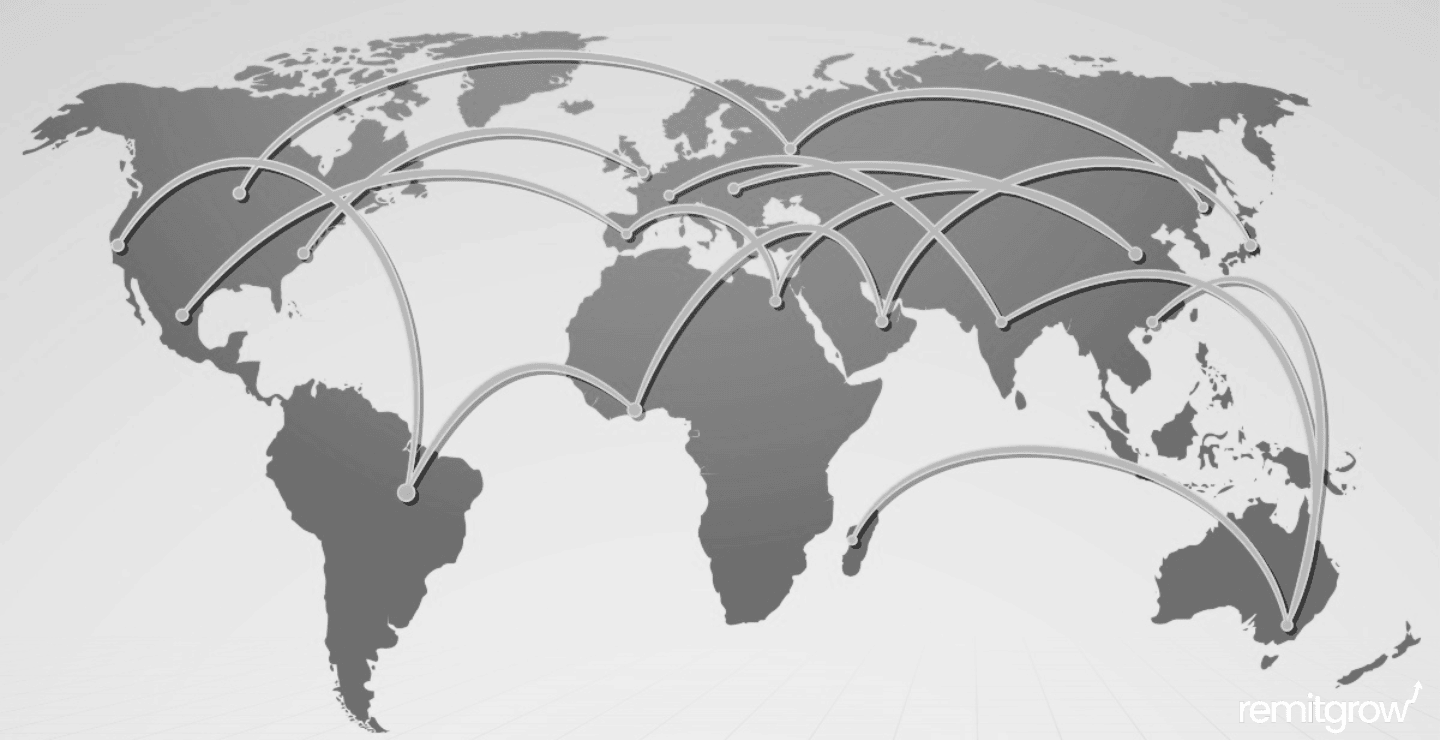
Asia is diverse: fast-digitizing markets (India, Philippines) sit beside emerging corridors. Winning requires tailoring product, pricing, and partner models to local realities.
Product-market fit by corridor
-
High smartphone penetration corridors favor app-first flows, QR and UPI-style integrations.
-
Cash-reliant markets need cash-in/cash-out options and agent networks.
Design products that match corridor behavior rather than forcing a single global model.
Pricing that balances share & margin
-
Use dynamic feeing: lower headline fee for promotional acquisition, higher for express/or cross-currency convenience.
-
Consider FX-inclusive pricing (all-in rates) in competitive corridors to avoid surprise churn at checkout.
Partnerships that unlock scale
-
Local banks and payment processors to ensure fast settlement.
-
Payroll and employer partnerships for remittances originating from migrant workers — this locks in steady volume.
-
E-commerce and biller partnerships for value-added payouts (utility payments, school fees).
UX & trust in Asia
-
Integrate local payment methods (e.g., UPI, e-wallets, bank transfers).
-
Offer settlement tracking and beneficiary notifications — transparency builds repeat usage.
-
Localize onboarding with native languages and ID options.
Use marketplace & embedded finance strategies
-
Embed remittances into payroll apps or gig platforms so transfers become a feature rather than a separate product.
-
Offer multi-product wallets where customers can hold balances, pay bills, or convert to local services.
Risk & compliance nuance
Asia’s regulatory regimes vary dramatically. Build a compliance playbook per market:
-
Automate KYC where local digital IDs exist.
-
Engage local counsel for licensing and payout rules.
Monetization beyond fees
-
Cross-sell micro-insurance, micro-loans, and FX-forward contracts to frequent senders.
-
Loyalty programs and subscription plans for heavy users (reduced fees, FX guarantees).
Conclusion
In Asia, match product design to corridor behavior, use partnerships to scale distribution, and diversify revenue beyond simple transfer fees.